
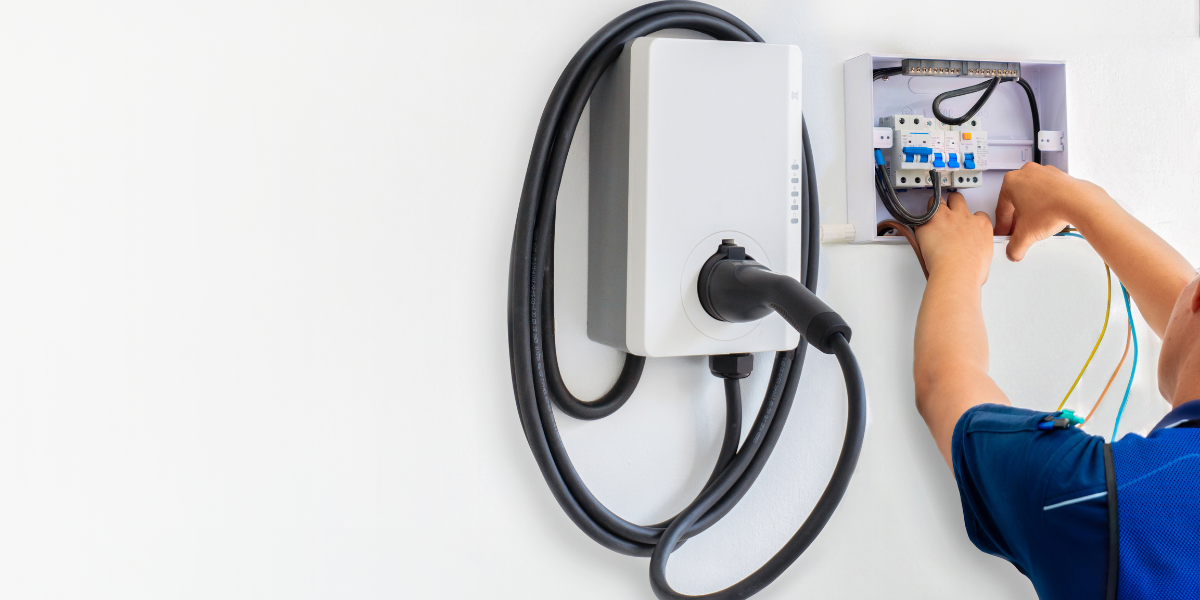
Electric vehicles (EVs) are steadily gaining ground across Melbourne. For property managers, this shift brings a new responsibility to ensure that residential and commercial properties are equipped to support EV ownership. Installing EV chargers in shared parking spaces presents unique challenges, especially in apartment blocks, office buildings, and strata communities. This guide offers a detailed overview for property managers planning to add EV charging infrastructure. From understanding resident needs to navigating legal requirements and future-proofing the setup, each section breaks down the key steps to help make the process as smooth and efficient as possible.
Understanding Resident Interest and Charging Demand
 Gauge the interest and needs of residents before committing to an EV infrastructure project. A well-informed approach helps ensure your efforts align with actual demand and expectations.
Conduct Surveys
Begin by gathering data from residents. Surveys can reveal how many currently own EVs, how many plan to purchase one soon, and what kind of access they expect. These insights provide a strong foundation for planning. Surveys should include questions about preferences for private or shared chargers, the desired type of charging station, and willingness to contribute financially. This early feedback can help avoid conflicts and strengthen community support for installing EV chargers.
Engage Stakeholders
Involve key decision-makers from the start. This includes the strata committee, tenants, owners’ corporation, and any third-party providers. Creating a small working group can keep the project on track and ensure a range of perspectives are considered. Effective communication builds trust and encourages cooperation. When all parties are aligned, planning EV charger installation in Melbourne properties becomes a collaborative process instead of a point of contention.
[divi_library_layout id=”5756″]
Assessing Building Infrastructure and Readiness
 Once the demand is clear, evaluate the technical readiness of the property. Shared charging setups must be tailored to each building’s electrical capabilities and layout.
Electrical Capacity Review
Consult a licensed electrician to assess the property’s existing electrical infrastructure. Switchboards, wiring, and maximum load limits should be reviewed to determine if the system can support installing EV chargers. In many buildings, the main switchboard may need upgrades to handle additional demand. Getting a handle on these requirements early on can really help you create precise budgets and steer clear of any project delays when it comes to installing EV chargers in Melbourne.
Use of Load Management Systems (LMS)
LMS technology distributes available power among EV chargers to prevent overloads. This system ensures that all connected vehicles can charge efficiently without exceeding the building’s electrical limits. For shared environments like apartment complexes, LMS offers a cost-effective way to scale EV charging gradually while maintaining system stability. This makes it an essential component of a modern EV charger installation in Melbourne.
Conduct a Feasibility Study
A feasibility study outlines the technical, financial, and operational aspects of the project. It covers existing infrastructure, required upgrades, estimated costs, and potential timelines. This document provides clarity for all stakeholders, supports approval processes, and guides strategic decisions during installing EV chargers in shared spaces.
[divi_library_layout id=”5756″]
Parking Layout Considerations
The arrangement of parking spaces can affect installation options. Assess whether bays are individually owned or shared, and how close they are to electrical sources. Plan the route for cables, space for mounting hardware, and accessibility for all users. Good design reduces disruption and improves usability once EV chargers are installed.
Legal and Strata Compliance
Strata properties come with legal requirements that need careful attention. Property managers must ensure full compliance with regulations and internal governance rules.
Seek Strata and Owners Corporation Approvals
In strata-managed buildings, charger installations typically require formal approval. This means submitting a proposal that includes technical plans, cost estimates, and any necessary electrical reports. Gaining approval from the owners’ corporation can take time. Clear, well-prepared documentation increases the likelihood of success and smooths the process for installing EV chargers.
Amend or Draft Bylaws
If the current bylaws don’t cover EV chargers, they’ll need to be updated. New or amended bylaws should outline access rules, cost-sharing arrangements, and maintenance responsibilities. These rules help avoid disputes and ensure fair use of shared infrastructure. For EV charging for apartment buildings, strong bylaws are a practical tool for long-term management.
Check Local Council Regulations
Melbourne councils may have specific requirements for EV charger installation. These might include planning permits, heritage restrictions, or safety rules. Before starting any work, confirm what your local council requires for EV charger installation in Melbourne projects. This ensures your project is approved and avoids unexpected delays.
[divi_library_layout id=”5756″]
Engage Legal Advice
Legal guidance is valuable at every stage. A strata or property lawyer can help with drafting bylaws, understanding compliance obligations, and reviewing installation agreements. Professional advice reduces risk and ensures that installing EV chargers is done properly from both a legal and operational standpoint.
Installation Process and Professional Support
 With approvals secured, focus shifts to the actual installation. Choosing experienced professionals helps ensure the system is reliable, compliant, and easy to manage.
Work with Certified Installers Like Shuttle Electrics
Partner with specialists who have experience in both residential and commercial EV charger installation. At Shuttle Electrics, our certified electricians work across Melbourne and are equipped to handle diverse property types. From single units to large car parks, we manage the full process for EV charger installation for Melbourne clients, including planning, load balancing, and commissioning.
Plan for Scalability
Designing for growth ensures the system can accommodate more EVs over time. Our team considers long-term usage patterns and builds flexibility into the setup. With scalable infrastructure, installing EV chargers becomes a future-ready investment instead of a short-term fix.
Smart Technology and Access Control
Smart chargers allow you to monitor use, set access permissions, and manage billing. These tools are especially useful in multi-tenant and commercial EV charger installation scenarios. Smart systems simplify administration for property managers and offer convenience for users. They also support fair usage and cost recovery across shared spaces.
[divi_library_layout id=”5756″]
Commissioning, Safety, and Transparency
Every installation should be tested and verified before use. This includes electrical safety checks, software setup, and documentation of compliance with Australian standards. At Shuttle Electrics, we provide clear quotes and comprehensive support throughout every EV charger installation Melbourne project, ensuring a safe and straightforward experience.
Cost Allocation and Ongoing Management
 Once chargers are in place, attention turns to managing their use, upkeep, and costs. A structured approach ensures long-term success.
Transparent Cost Recovery
Choose a cost recovery model that fits your building, user-pays, shared funding, or a combination of both. Whichever model you adopt, billing must be accurate and transparent. Smart chargers help automate cost tracking and billing, especially in EV charging for apartment buildings, where shared usage is common.
Ongoing Maintenance and Support
Routine maintenance ensures that chargers remain safe and functional. Agree early on who is responsible – whether it’s the owners’ corporation, property manager, or residents. Working with a reliable installer for support and periodic checks simplifies maintenance planning for installing EV chargers in shared spaces.
[divi_library_layout id=”5756″]
Insurance and Fire Safety
Notify your insurer about new EV charging systems and adjust your policy as needed. Confirm that safety features like surge protection, emergency shutoffs, and proper ventilation are installed. These measures are particularly important in basements or enclosed garages, which are common locations for EV charger installation in Melbourne projects.
Melbourne-Specific Considerations
 Property managers in Melbourne need to account for local rules, incentives, and infrastructure when planning EV charging solutions.
National Construction Code (NCC) Requirements
Recent NCC updates require new buildings to be EV-ready. This means allowing space for chargers and ensuring switchboards can support them. Developers and builders should integrate this early to avoid costly retrofits. This is especially relevant for future EV charger installation Melbourne projects.
Government Incentives and Rebates
There are financial support programs available to reduce the cost of installing EV chargers. These include federal and Victorian government initiatives for both residential and commercial properties. Review eligibility criteria and funding timelines before starting your project to take full advantage of these opportunities for EV charger installation in Melbourne properties.
[divi_library_layout id=”5756″]
Public Charging Alternatives
In properties where on-site chargers are limited, public stations can help meet resident needs. Let residents know about nearby fast-charging options as part of a hybrid solution. Combining on-site chargers with public infrastructure can extend the benefits of EV charging for apartment buildings without overloading existing systems.
Why Installing EV Chargers Adds Long-Term Value
 EV charging infrastructure improves property utility and aligns with emerging transportation trends. It offers clear benefits for both residential and commercial sites.
Enhance Property Appeal
EV infrastructure attracts tenants and buyers who value convenience and environmental responsibility. For commercial buildings, commercial EV charger installation can appeal to businesses with sustainability goals. Properties with reliable EV charging options are better positioned in a changing market.
Future-Proof Your Investment
Melbourne’s EV market is growing. Properties equipped with charging systems are now better prepared for what lies ahead. A well-executed EV charger installation Melbourne project protects against future obsolescence and supports ongoing building relevance.
Support Melbourne’s Sustainable Transport Goals
Installing EV chargers helps meet city-wide goals for lower emissions and greener transport. It supports a cleaner urban environment and reflects a commitment to sustainable living. These installations play a vital role in local initiatives aimed at enhancing air quality and cutting down on our dependence on fossil fuels.
Conclusion
Installing EV chargers in shared parking spaces takes careful planning, collaboration, and follow-through. Property managers are essential in ensuring that these projects cater to the needs of residents while also adhering to legal, technical, and financial standards. From evaluating demand and infrastructure to working with certified professionals and staying on top of compliance, each step builds toward a well-functioning, long-lasting system. With a clear plan and expert support, your EV charger installation Melbourne project can deliver reliable performance and real value for your property. Ready to take the next step? Contact Shuttle Electrics for tailored solutions and expert service in EV charging installations across Melbourne. [divi_library_layout id=”5756″]


